
Web Desk — November 19, 2025
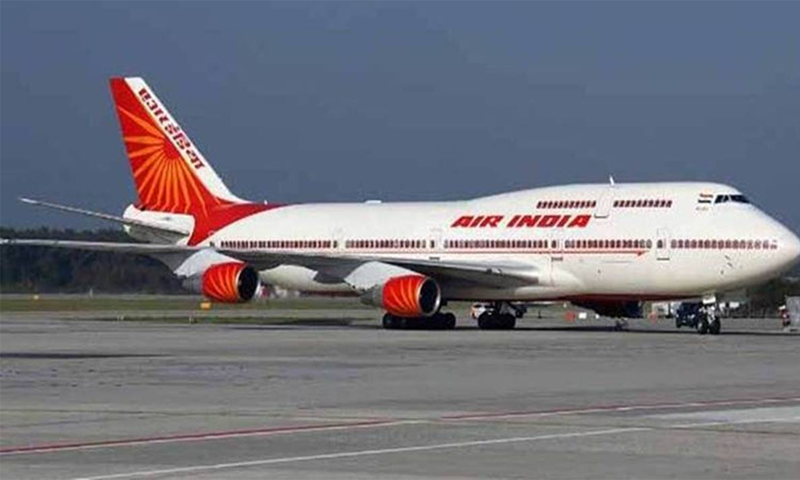
New Delhi: The closure of Pakistani airspace has delivered a punishing blow to Air India, racking up an estimated ₹4,000 crore in losses since the ban kicked in following India’s Operation Sindoor strikes deep inside Pakistan, airline CEO Campbell Wilson revealed in a stark admission of the financial carnage.
The Tata Group-owned carrier, already nursing a ₹3,650 crore net loss for FY2024-25, now faces a full-year hit equivalent to nearly its entire previous deficit—driven by longer flight paths, ballooning fuel bills, and extra crew hours on key Europe and North America routes. Wilson pegged the damage at ₹4,000 crore during an industry event, underscoring how the ban has added 60-90 minutes to transcontinental journeys, forcing detours via Central Asia or the Arabian Sea.
In a desperate pivot, Air India has turned to China, lobbying Beijing for access to sensitive military airspace over Xinjiang to shave off precious minutes and costs—potentially the first such concession since India-China flights resumed after a five-year hiatus. “This isn’t just about routes; it’s survival amid a geopolitical squeeze,” a senior executive told reporters, as the airline suspends select Delhi-Washington legs and eyes Vienna or Copenhagen refueling stops.
The fallout has prompted Air India to fire off a bailout plea to New Delhi, demanding a “subsidy model” scaled to the pain—echoing a May 2025 letter estimating $591 million (₹4,900 crore) in annual bleed if the ban persists. Industry insiders say the government is mulling relief, but with IndiGo and SpiceJet also rerouting 1,200+ monthly flights from Delhi alone, the tab could swell to ₹7,000 crore across carriers.
Pakistan’s “masterstroke,” as hailed in Islamabad, has not only kneecapped Indian aviation but boomeranged with its own revenue drought—Pakistan Airports Authority staring down $14.4 million in lost overflight fees by August, per defense ministry disclosures. As bilateral skies remain off-limits until at least late 2025, the ban stands as a double-edged sword: a symbolic win for Rawalpindi’s strategy, but a grinding economic millstone for Delhi’s carriers. Will subsidies fly, or will fares hike 8-12% to pass the buck to passengers? The skies are anything but clear.