
In the labyrinthine corridors of South Asian geopolitics, where alliances shift like desert sands and old enmities simmer beneath fragile truces, a new chapter of intrigue unfolds. Afghanistan’s Foreign Minister, Amir Khan Muttaqi, has arrived in New Delhi on a six-day visit—the first by a senior Taliban leader since their 2021 takeover. This isn’t mere diplomacy; it’s a calculated overture from India, long wary of the Taliban’s rise, to weave stronger ties with Kabul. Talks with External Affairs Minister S. Jaishankar and National Security Advisor Ajit Doval promise discussions on trade, dry fruit exports, health corridors, and consular access. Muttaqi’s itinerary even includes a pilgrimage to the Taj Mahal and Darul Uloom Deoband, a nod to shared cultural and religious threads. For India, this is pragmatic outreach: securing influence in a post-American Afghanistan, countering China’s Belt and Road sprawl, and ensuring Kabul’s soil isn’t a launchpad for militants eyeing Delhi. Yet, as Muttaqi shakes hands in India’s corridors of power, the Durand Line—a colonial scar etched in 1893—pulses with fresh violence. Pakistan and Afghanistan, bound by blood, Pashtun kinship, and a porous 2,640-kilometer frontier, are locked in escalating skirmishes that echo the worst of their shared history.
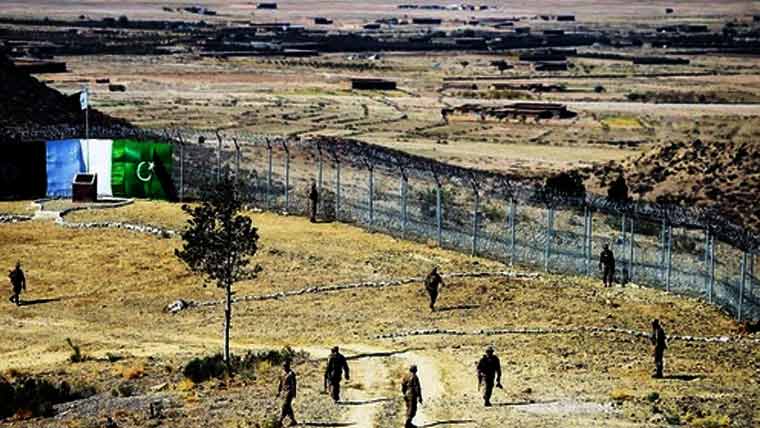
The flare-up began in earnest last December, when Pakistani forces vacated remote outposts in Bajaur, only for Tehrik-i-Taliban Pakistan (TTP) militants—allegedly sheltered across the border—to seize them, hoisting Taliban flags in defiance. Islamabad, reeling from over 500 TTP attacks in 2024 alone that claimed 1,500 lives, accuses Kabul of harboring these “khwarij” (outcasts) and failing to dismantle their sanctuaries. Retaliatory airstrikes followed: Pakistan’s jets pounded alleged TTP hideouts in Khost and Kunar provinces, killing dozens and drawing Taliban vows of “severe consequences.” By early 2025, the border had become a cauldron—mortar duels at Torkham stranding 5,000 trucks laden with Ramadan essentials, drone incursions over Nangarhar, and joint TTP-Taliban raids on Pakistani posts in North Waziristan. Last week, heavy clashes erupted anew: Taliban forces, claiming retaliation for Pakistani air raids, unleashed artillery on four border points in Khyber Pakhtunkhwa, while Islamabad’s Frontier Corps gunned down 16 infiltrating fighters in a single night. Casualties mount—soldiers, militants, and hapless villagers caught in the crossfire—exacerbating a humanitarian crisis where deportations of Afghan refugees from Pakistan have already displaced millions.
This border inferno doesn’t burn in isolation. Enter India, whose shadow looms large over the fray. New Delhi views Pakistan’s western woes as a vulnerability to exploit, a chance to squeeze Islamabad on two fronts. Whispers from Rawalpindi suggest Indian “consignments” fuel the TTP, a charge Delhi dismisses as paranoia. But the rhetoric has sharpened: Indian Army Chief General Upendra Dwivedi recently warned Pakistan to “stop state-sponsored terrorism if it wants to exist on the world map,” evoking memories of the 2019 Balakot strikes. Pakistan’s Defence Minister Khawaja Asif fired back, declaring the “chances of war with India are real,” vowing a “better result than before” in any clash—code for outlasting the 1971 debacle that birthed Bangladesh. This isn’t bluster; it’s the ghost of May 2025, when a Pahalgam tourist massacre—26 Hindus slain by militants—ignited Operation Sindoor. India hammered nine terror camps in Pakistan and Azad Kashmir with missiles and drones, claiming to dismantle Lashkar-e-Taiba infrastructure. Pakistan’s riposte, Operation Bunyan-un-Marsoos, downed Indian jets in the nuclear age’s first dogfight between atomic powers, killing 31 in retaliatory fire before a U.S.-brokered ceasefire on May 10. That four-day inferno—cyber salvos, naval saber-rattling, and nuclear signaling—left scars: airspace closures, trade halts, and a fragile LoC truce now fraying amid fresh threats.
The peril is palpable. India’s Afghan gambit—upgrading its Kabul mission to a full embassy, promising aid post-earthquake—aims to encircle Pakistan, potentially turning Kabul into a proxy fulcrum. As Muttaqi tours Deoband, Taliban assurances ring hollow: “Afghanistan’s soil won’t be used against neighbors,” yet TTP flags wave defiantly. Border closures choke $15 million in daily trade, stranding families and inflating food prices in Khyber’s bazaars. Meanwhile, Pakistan’s internal fault lines—political turmoil, economic freefall—make every skirmish a spark on dry tinder. A misfired mortar could cascade into multi-domain war: drones over Lahore, missiles arcing toward Delhi, and the subcontinent’s 350 million nuclear warheads whispering apocalypse.
For Pakistan’s government, the hour demands not bravado, but balm. Diplomatic salvos must replace artillery. Islamabad should revive the Afghanistan-Pakistan Joint Coordination Committee, dormant since 2023, to hash out border management and TTP extraditions—perhaps with neutral guarantors like China or the UAE. Quiet channels to New Delhi, via backdoor talks in Dubai or Washington, could de-escalate Indo-Pak rhetoric; after all, May’s ceasefire held because cooler heads prevailed under U.S. pressure. Engage Kabul not with strikes, but stakes: offer humanitarian corridors, revive the Chabahar-Wakhan trade route to bind economies, and address Pashtun grievances that fuel the TTP’s fire. Domestically, invest in border fencing with community buy-in, not coercion, and amplify intelligence-sharing with allies to starve militants of funds.
History mocks the hasty: the 1971 war stemmed from ignored Bengali cries; today’s Durand disputes echo unheeded Durand Line dreams. Pakistan, squeezed between Afghan ire and Indian encirclement, cannot afford isolation. Diplomacy isn’t capitulation—it’s the scalpel to excise this tripartite tumor before it metastasizes. As Muttaqi departs India with promises in his pocket, let Islamabad extend an olive branch across the Khyber, lest the sands of amity turn to glass under nuclear fire. The region has danced this tango too long; it’s time for a truce that sticks, for the sake of bazaars from Peshawar to Pahalgam.