

Islamabad, Pakistan – The federal government has announced the lifting of a four-year-long ban on new domestic gas connections across the country, a decision poised to bring significant relief to millions of households. The move, approved by the federal cabinet, ends a moratorium that had been in place since 2021.
The ban was originally imposed due to dwindling natural gas reserves and a severe shortage in the country. However, the government has now opted to resume connections, citing persistent public demand and the increased availability of Re-gasified Liquefied Natural Gas (RLNG).
According to Federal Minister for Petroleum, Ali Pervez Malik, the new domestic connections will be supplied with RLNG, with tariffs to be determined by the Oil and Gas Regulatory Authority (OGRA). He emphasized that this imported RLNG would be 30 to 35 percent cheaper than imported LPG, offering much-needed financial relief to ordinary citizens grappling with inflation.
Both Sui Northern Gas Pipelines Limited (SNGPL) and Sui Southern Gas Company Limited (SSGCL) have been instructed to immediately begin processing the backlog of applications. The Ministry of Petroleum estimates that over 3.5 million applications for domestic gas connections are currently pending nationwide.
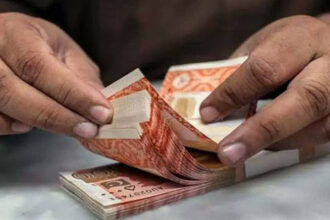
Sources suggest that standard demand notice fees for new connections could be around PKR 18,000, while an urgent policy might involve charges up to PKR 80,000.
This decision is particularly welcomed by residents in new housing schemes and areas where the absence of natural gas had forced reliance on expensive LPG cylinders or other alternative fuels. It marks a significant step towards alleviating household energy woes and improving living standards across Pakistan.