
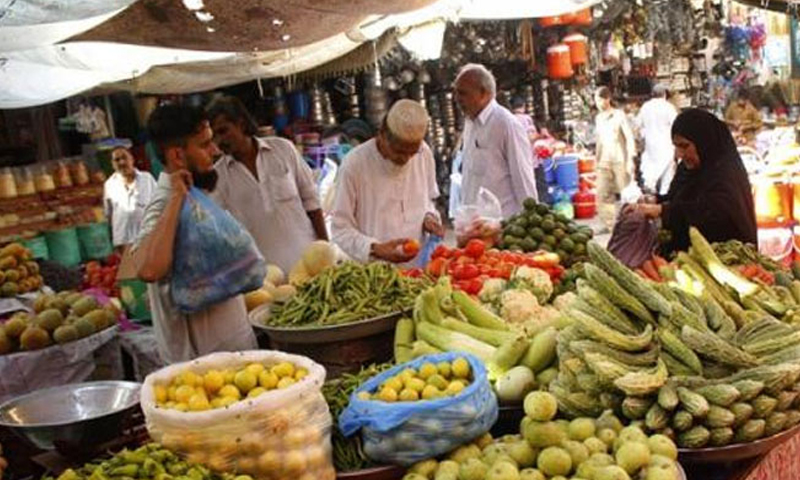
Lahore, October 13, 2025 – Escalating cross-border clashes between Pakistan and Afghanistan have crippled supply chains, leading to a dramatic surge in essential commodity prices across the country. With key trade routes like Torkham and Chaman closed for a second day—stranding thousands of trucks laden with produce—the fallout has hit urban markets hard, exacerbating inflation in an already strained economy. Vegetables, reliant on Afghan imports, have seen jaw-dropping hikes: tomatoes at Rs500/kg (up 500% from last week), onions and potatoes at Rs100/kg, okra Rs254, cabbage Rs260, pumpkin Rs250, peas Rs400, squash Rs160, and capsicum Rs180.
The ripple effects extend to staples: moong dal Rs520/kg, chickpeas Rs480, basmati rice Rs380, sugar Rs190, red chilies Rs800, and top-grade ghee Rs560. Wheat flour Rs130/kg, broiler chicken Rs600/kg, and fresh milk Rs250/liter have also climbed, turning Sunday bazaars into battlegrounds for budget-strapped families. Traders in Lahore’s Akbari Mandi blame the shortage on halted Afghan convoys, which supply 40% of northwest produce, warning of prolonged shortages if borders remain sealed.
Compounding the crisis, Lahore’s roads are choked by security blockades amid fears of unrest from the border flare-up. Multan Road at Manga Mandi, routes from High Court to Postmaster General, Dogar Chungi, and highways to Islamabad, Abdul Hakeem, and Sialkot are fully shut. Barriers block Thokar Niaz Beg to Babu Sabu, Karor Ghatti to Ring Road, Lilani, and Scheme Mor from Samanabad, paralyzing intra-city traffic and delaying emergency supplies.
The violence—sparked by Pakistani airstrikes on alleged TTP hideouts in Khost and Paktika, met with Taliban retaliation—has claimed 23 Pakistani soldiers and nine Afghan fighters, per official tallies, with over 200 militants reportedly killed. International calls for de-escalation from Russia, China, Saudi Arabia, and Qatar urge dialogue, but with trade halted—costing $15 million daily—the economic toll mounts. As families ration meals, experts warn of broader food insecurity unless borders reopen swiftly.