

Web Desk — November 3, 2025
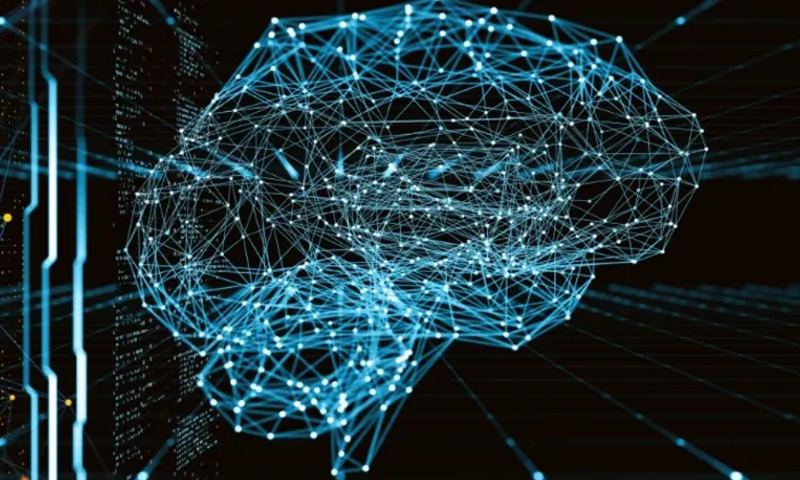
London: Researchers at the University of Surrey have developed a new method to improve artificial intelligence by copying how the human brain connects neurons, making AI systems more powerful and energy-efficient.
The study introduces “sparsely connected neural maps,” where each artificial neuron links only to nearby or relevant ones—just like the brain organizes information. This removes unnecessary connections, reducing power consumption without lowering performance.
Senior Lecturer Dr. Roman Bauer said: “Our work shows intelligent systems can be built more efficiently and sustainably, without sacrificing capability.”
Current large AI models require millions of kilowatt-hours for training, which is not sustainable. The new approach mimics biological growth, gradually refining connections during training.
The team is exploring applications in brain-inspired computers and other fields to create greener, smarter AI.