
Introduction
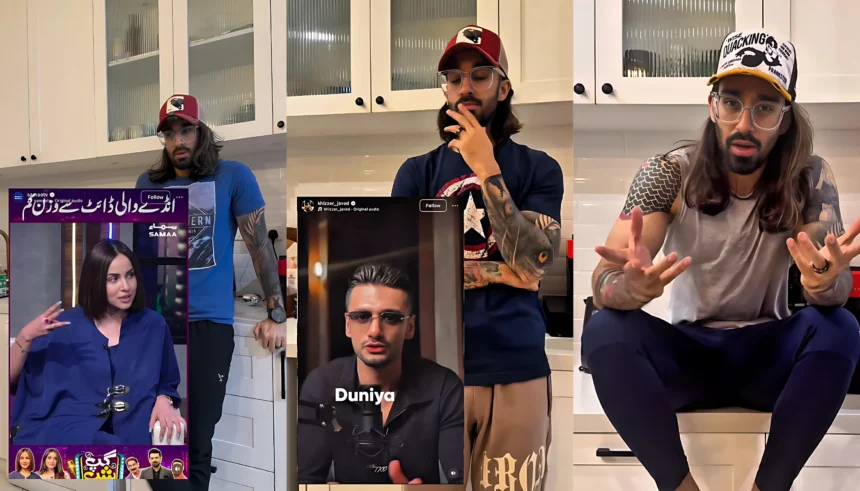
In today’s digital age, social media has transformed how health information spreads. Platforms like Instagram, TikTok, and YouTube allow professionals to educate millions. — but they’ve also created a dangerous trend: unverified “health experts” influencing public opinion without proven scientific qualifications.
From Pakistan to around the world, these self-proclaimed experts are shaping how people think about fitness, nutrition, skincare, and even medical treatments — often without the credentials to back it up.
The Rise of the “Influencer-Expert”
Across Pakistan and beyond, people with limited or unclear educational backgrounds are presenting themselves as specialists. Their confident tone, medical vocabulary, and polished videos easily convince audiences — even when their claims lack evidence.
When popularity replaces expertise, followers begin to mistake charisma for credibility, blurring the line between entertainment and education.
Why Qualifications Matter
Becoming a nutritionist, medical professional, or scientist requires years of academic study, clinical training, and ethical practice. Yet, on social platforms, many qualified experts find themselves overshadowed by influencers who offer catchy but scientifically weak advice.
This misinformation not only misleads the public but also harms businesses and services built on research-based science. A single inaccurate post can undermine consumer trust and damage reputations.
The Danger of Misinformed Influence
In the fast-moving world of social media, opinions spread faster than facts.
A single video labeling a product as “harmful” or “fake” can:
- Mislead thousands without context.
- Damage legitimate health brands.
- Discourage people from consulting certified experts.
Even well-meaning influencers can cause harm by oversimplifying complex health topics such as physiology, nutrition science, or medical regulation.
Influence Is Not Expertise
Having followers doesn’t make someone a guardian of truth. True influence should come from knowledge, ethics, and transparency, not algorithms or likes.
The key difference is simple:
Influence attracts attention — expertise earns trust.
The Way Forward — Education Over Censorship
Rather than silencing voices, the solution lies in education, transparency, and accountability:
✅ Consumers should verify credentials before following health advice.
✅ Content creators must disclose their qualifications honestly and stay within their expertise.
✅ Regulators & institutions should promote awareness about the difference between certified experts and online personalities.
✅ Businesses & professionals should share evidence-based content in simple, engaging ways to counter misinformation.
A Call for Balanced, Evidence-Based Awareness
No single person — influencer or expert — should dictate public opinion.
The public deserves balanced information, scientific clarity, and free access to verified knowledge.
Let’s build a digital culture where curiosity, fact-checking, and independent thinking replace blind belief.
Social media can empower — but it can also mislead.
When it comes to health, always question, verify, and think critically —
because well-being should never depend on popularity.