

Web Desk— October 29, 2025
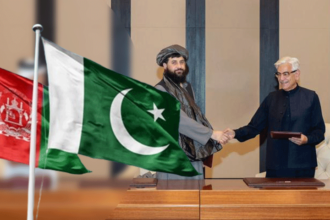
Four days of high-stakes negotiations between Pakistan and the Afghan Taliban in Istanbul have collapsed, dashing hopes for lasting peace along the volatile border.
Information Minister Attaullah Tarar announced the failure on social media, slamming the Taliban delegation for dodging responsibility and offering no guarantees to curb cross-border attacks. “Instead of accepting any responsibility, the Afghan Taliban resorted to blame game, deflection and ruses,” Tarar said. “The dialogue thus failed to bring about any workable solution.”
The talks, mediated by Qatar and Turkey, focused solely on halting terrorism from Afghan soil targeting Pakistan – a demand backed by irrefutable evidence presented by Islamabad. Yet, the Afghan side repeatedly shifted positions, seeking instructions from Kabul and deflecting to unrelated issues.
Pakistan presented compelling proof of attacks by groups like the Tehrik-i-Taliban Pakistan (TTP), which Islamabad accuses of operating with impunity in Afghanistan. Afghan sources countered that they lack control over such militants, leading to tense exchanges that sealed the impasse.
Tarar thanked Qatar and Turkey for their efforts in facilitating the dialogue and pressuring the Taliban against using terror proxies as leverage. This round followed a fragile ceasefire brokered in Doha on October 19, amid deadly clashes that killed dozens on both sides since mid-October.
Defense Minister Khawaja Muhammad Asif’s stark warning looms large: “If talks fail, it’s open war.” With the ceasefire holding tenuously, Pakistan vows to intensify operations against terrorists and their backers, signaling an end to diplomatic patience.
The breakdown, which has drawn U.S. attention, risks escalating into broader conflict between the nuclear-armed neighbors – a stark reminder of unresolved tensions since the Taliban’s 2021 takeover in Kabul.