
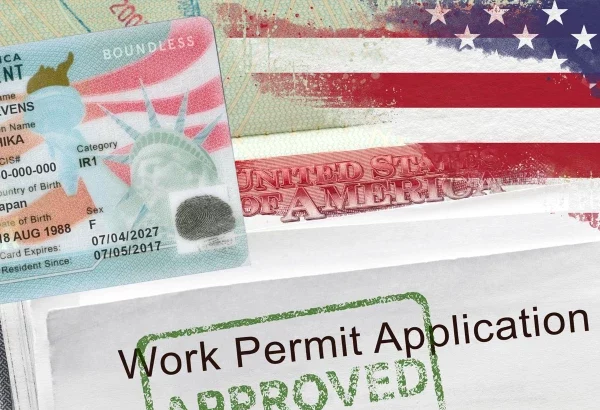
Washington: The Trump administration has released a new proposal to redesign the H-1B visa program with a focus on providing an upper hand to foreign employees with higher pay and higher skills. Officials state that the step has been taken in order to save American workers from so-called “unfair wage competition.
Under international media reports, the changes would be implemented if visa requests surpass the yearly limit of 85,000. Under this circumstance, priority would be placed on petitions from companies that pay higher wages.
The bill is a sequel to a recent White House announcement mandating that firms pay a $100,000 fee per application for a new H-1B visa. That action was of concern to leading technology companies that depend on foreign talent. The administration subsequently made it clear that the fee was only for new visas, not renewals.
A Federal Register notice indicates the new rules might go into effect with the 2026 lottery. The Trump administration’s earlier attempts to strengthen the program were challenged legally and politically but failed.
The Department of Homeland Security (DHS) estimates that in the new system, total compensation paid to H-1B workers can increase dramatically. The projections suggest salaries will be as high as $502 million in 2026 and rise to $2 billion every year from 2029 to 2035.
The H-1B visa program is universally applied by American businesses, especially in the technology industry, to bring in foreign skilled workers. Critics contend it has at times been abused to displace Americans with cheaper foreign labor, but business executives say it is needed to cover key talent shortages.
You Might Also Like
US shutdown threat averted as spending bill passes House
Iran’s embassy in Pakistan raises flag at half-mast
Modi pledges tax cuts as Trump threatens tariffs on India
Saudi EXIM Bank and Bank Alfalah sign $15 million deal to boost trade ties with Pakistan
Statistics last year place India as the biggest recipient of the program with 71 percent of all the H-1B visas distributed, followed by China at 11.7 percent.
The planned overhauls represent one of the biggest changes to the visa system in decades and are likely to ignite controversy in Congress, the business world, and among union activists.
We welcome your contributions! Submit your blogs, opinion pieces, press releases, news story pitches, and news features to spotpakistan25@gmail.com